ECHR: Republic of Moldova Allowed Impunity for Counterdemonstrators Who Disrupted an LGBT+ March Organised by GENDERDOC-M

The GENDERDOC-M Information Centre has secured another favourable judgment from the European Court of Human Rights. In the case concerning attacks on the “A Year Without Discrimination” march held in 2014, the Court found that the authorities had failed to investigate effectively the counterdemonstrators’ actions and their homophobic motives, allowing them to escape any liability.
The Court unanimously held that the Republic of Moldova had violated Article 14 of the European Convention on Human Rights, which prohibits discrimination, taken in conjunction with Article 11, which guarantees freedom of assembly. The judgment is final.
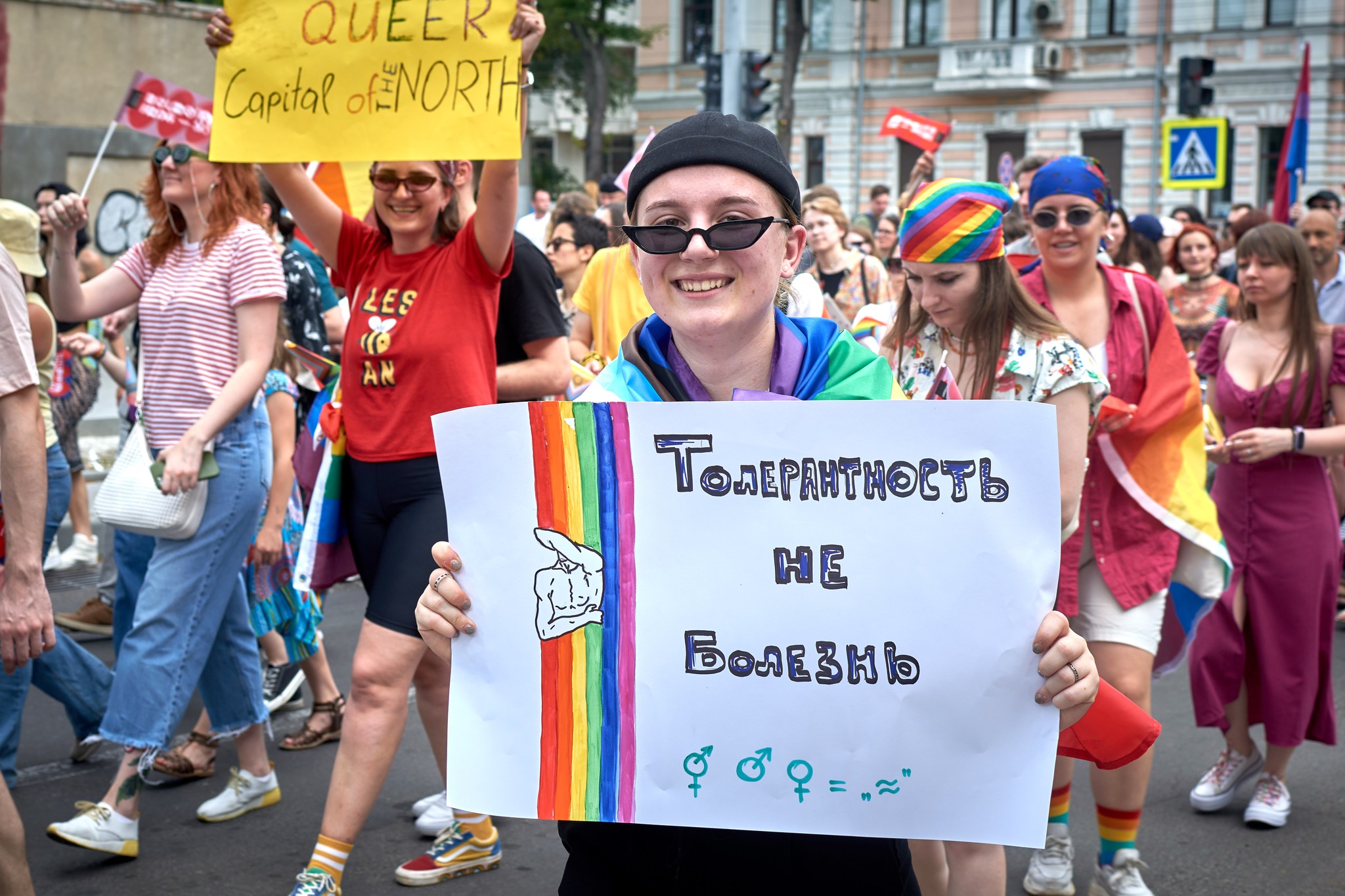
On 17 May 2014, GENDERDOC-M organised the “A Year Without Discrimination” march in Chișinău to mark the International Day Against Homophobia. Although the event was protected by the police, several dozen counterdemonstrators attempted to disrupt it, shouting homophobic insults and threatening participants with violence.
An Orthodox priest violently snatched a rainbow flag from a female organiser’s hands and tore it apart. According to witnesses, he also struck several participants. Another counterdemonstrator seized a banner at the front of the march and blocked the participants’ progress.
GENDERDOC-M lodged two criminal complaints in June 2014. However, the prosecution authorities discontinued the criminal proceedings, considering that the acts constituted administrative rather than criminal offences. By that time, the statutory time limit for imposing administrative penalties had already expired. Neither individual was held accountable.
The ECHR emphasised that both counterdemonstrators had openly expressed hostility towards the LGBT+ community. The authorities therefore had a duty to investigate that motivation.
The Court identified several shortcomings in the investigation. The prosecutors had not adequately considered applying the criminal provisions concerning the violent obstruction of a public assembly, nor had they explained why striking participants would not constitute violence under criminal law. They had also failed to seek and examine video recordings made by the media, despite knowing that such footage existed.
The Court found that the prosecutors had been aware of the three-month limitation period for imposing administrative penalties but had waited five months before deciding not to pursue criminal charges. In doing so, the authorities had knowingly allowed those responsible to escape any liability, resulting in total impunity.
For the GENDERDOC-M Information Centre, this judgment confirms that the State’s duty to protect LGBT+ demonstrations does not end when the event is over. Police presence must be accompanied by effective investigations into attacks, examination of discriminatory motives, and proceedings capable of holding those responsible accountable.
The Court also recognised that GENDERDOC-M had been directly affected in its capacity as the organiser of the march, rejecting the Government’s objection that the organisation lacked victim status.
The ECHR awarded €4,500 in respect of non-pecuniary damage and €1,274 in respect of costs and expenses, amounting to €5,774 in total.
The Republic of Moldova is obliged to execute the judgment under the supervision of the Committee of Ministers of the Council of Europe.
 26.10.2026
Community
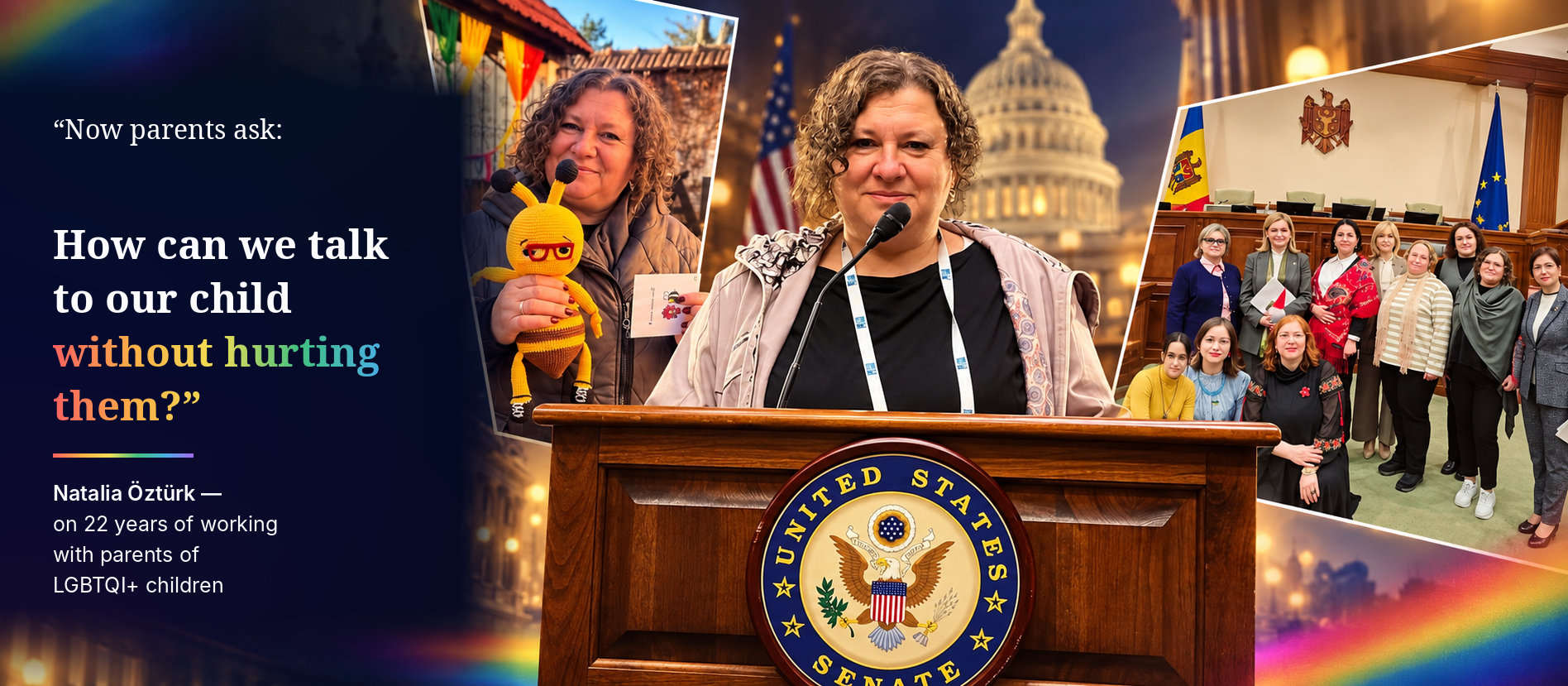
“Parents now ask: how can I talk to my child without hurting them?” Natalia Ozturk on 22 Years of Working with Parents of LGBTQI+ Children
 15.10.2026
Human Rights
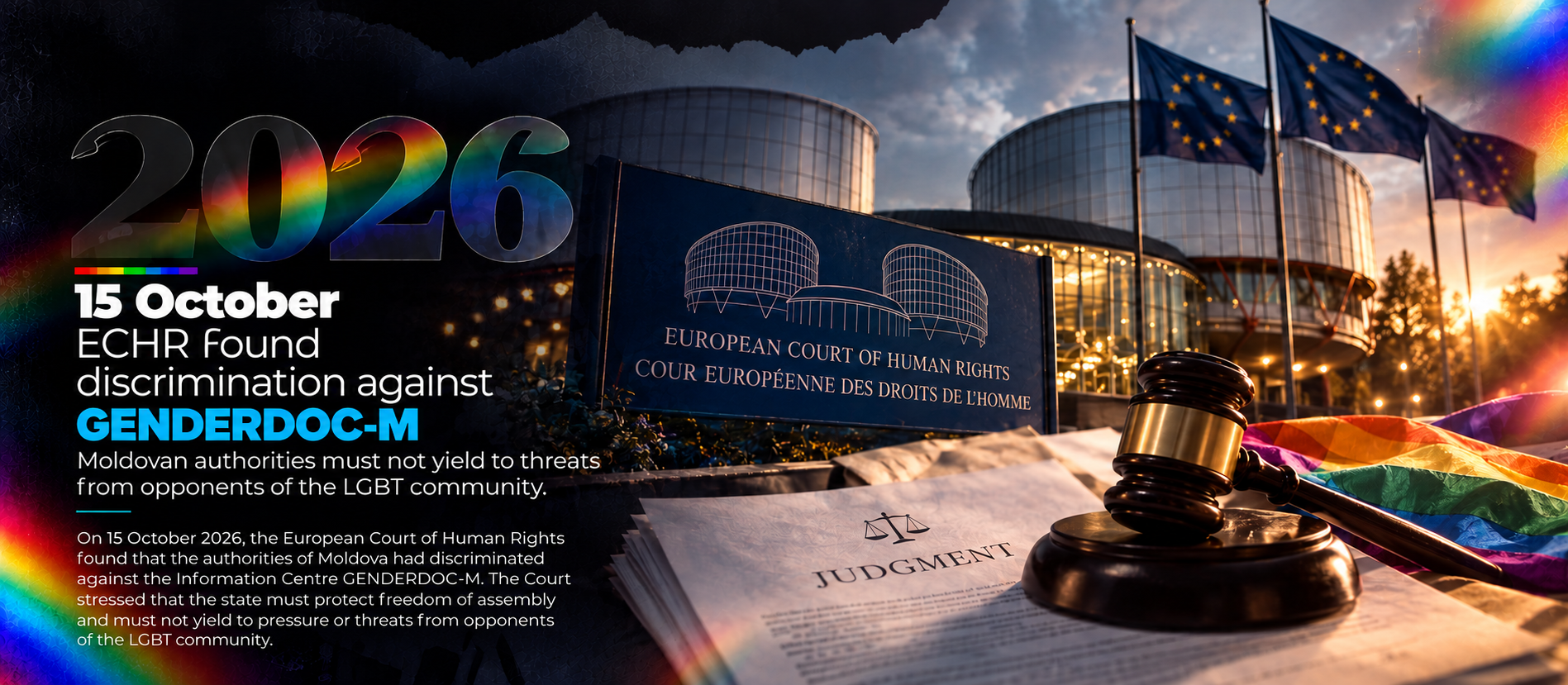
ECHR finds discrimination against the GENDERDOC-M Information Centre: Moldovan authorities must not give in to threats from opponents of the LGBT community
 22.05.2026
Human Rights
Schumacher's brother marries a Frenchman: The wedding will take place in Saint-Tropez


