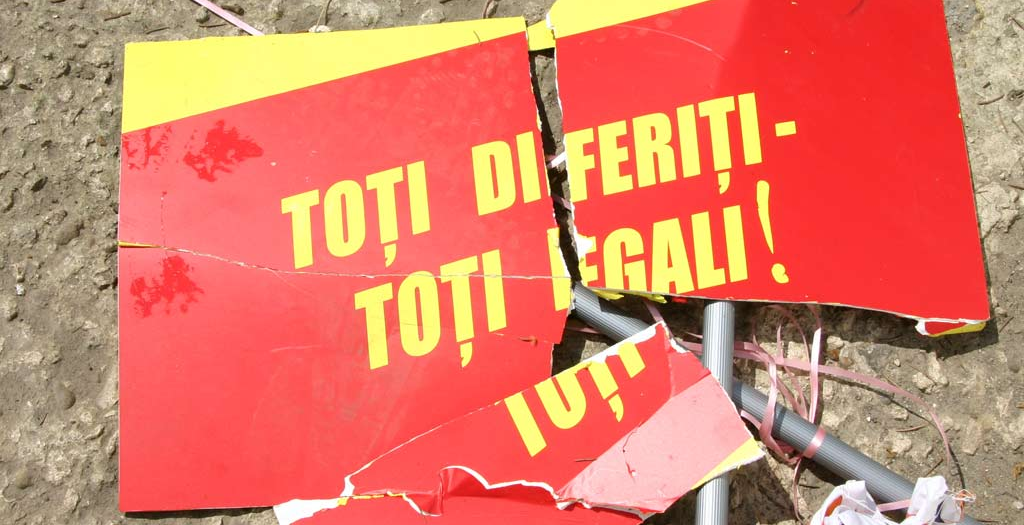
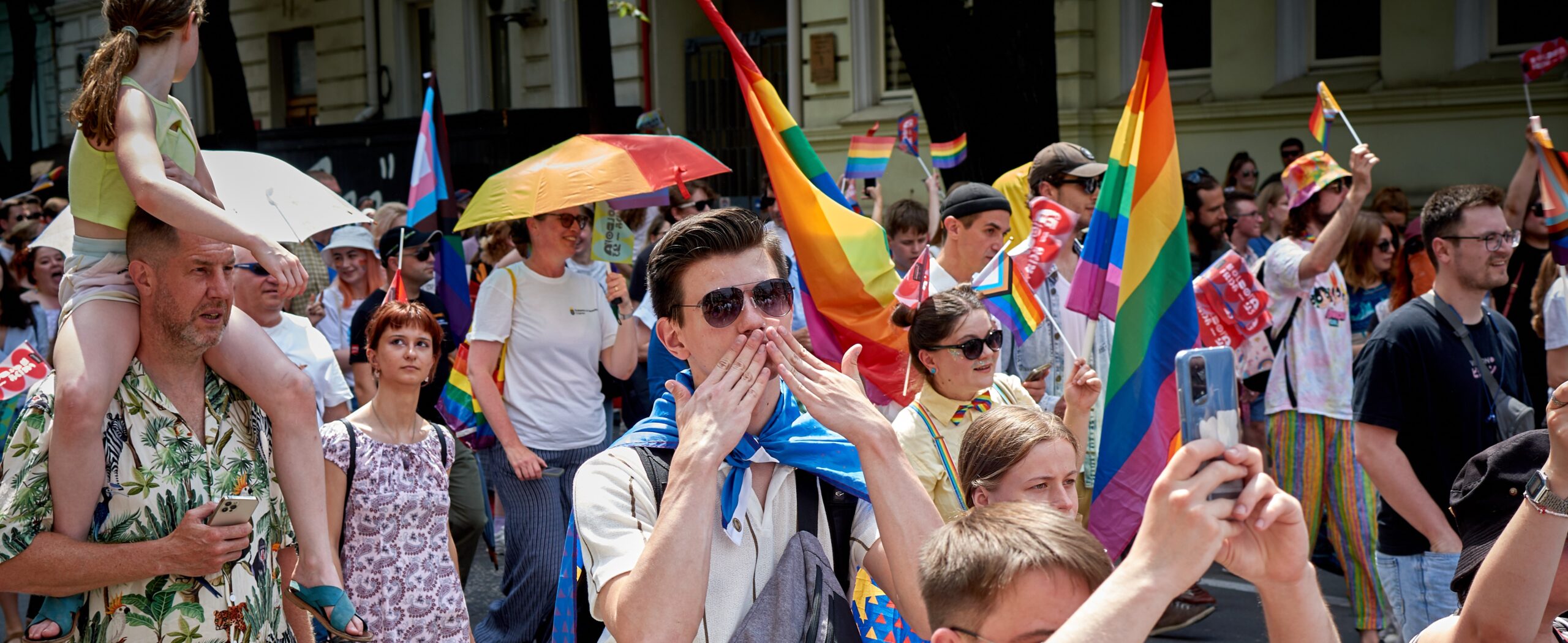
ECHR finds discrimination against the GENDERDOC-M Information Centre: Moldovan authorities must not give in to threats from opponents of the LGBT community
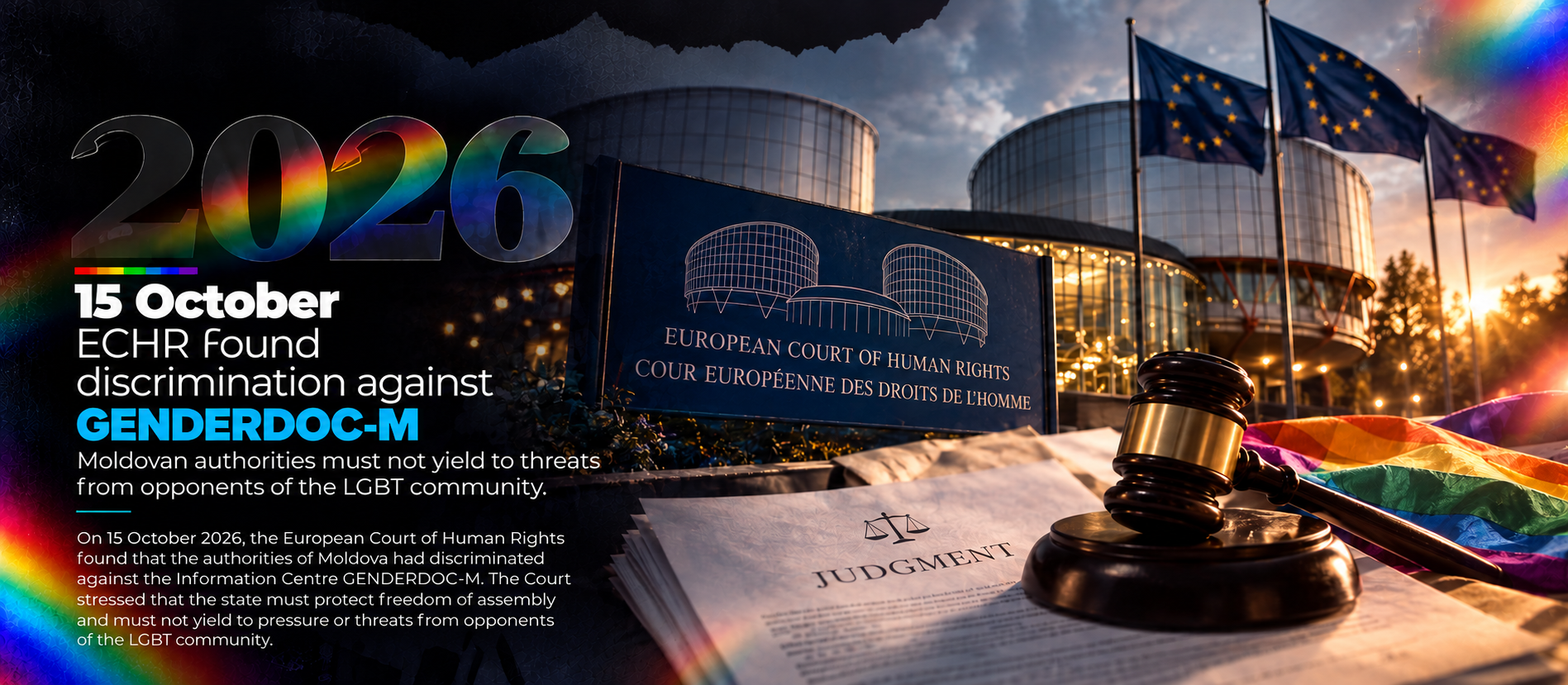
On 15 October 2026, the European Court of Human Rights delivered its judgment in the case of the GENDERDOC-M Information Centre v. the Republic of Moldova, finding a violation of the prohibition of discrimination taken in conjunction with the right to freedom of peaceful assembly.
The case concerns events that took place in Chișinău over several years, particularly the GENDERDOC-M Information Centre’s efforts to hold peaceful public events in the city centre.
When threats become grounds for restricting rights
In 2007, 2008 and 2010, GENDERDOC-M sought to organise peaceful events in central Chișinău. The municipal authorities opposed these events, citing possible counterdemonstrations and the risk of violence.
In April 2013, the organisation notified the mayor’s office of its intention to hold a peaceful march in support of LGBT rights on 19 May. After two other organisations announced plans to hold counterdemonstrations, the mayor’s office applied to a court to have the march’s route changed. The court granted the application and ordered that the event take place farther from the city centre.
During the proceedings, the GENDERDOC-M Information Centre also referred to public statements by the then mayor of Chișinău, who had said that homosexual people “should stay at home”.
The organisation challenged the municipal authorities’ actions before the domestic courts, arguing that the decisions to relocate its events formed part of a discriminatory approach to the LGBT community’s public activities. The Moldovan courts, however, dismissed the claim.
What the European Court found
The ECHR rejected the Moldovan Government’s objections that GENDERDOC-M lacked victim status and had failed to exhaust domestic remedies.
The Court emphasised that GENDERDOC-M was the organiser of the public events and that their relocation directly affected its rights and its ability to continue organising such activities.
Examining the merits of the case, the Court noted that, in other situations where events in central Chișinău had generated public controversy, the municipal authorities had allowed different sides to hold their events. In GENDERDOC-M’s case, however, the authorities had repeatedly relocated the organisation’s events, citing threats from opponents.
In the Court’s assessment, these circumstances, taken together with the mayor’s public statements, revealed a difference in treatment between organisations in analogous situations on the basis of the sexual orientation of their members.
Of particular significance was the finding that the threats had come from other groups and individuals, while no evidence had been presented that GENDERDOC-M’s members had acted violently or unlawfully.
The Court held that repeatedly relocating the events of those facing threats, rather than taking action against the aggressors, was a disproportionate means of protecting public order.
The ECHR unanimously found a violation of Article 14 of the European Convention on Human Rights, which prohibits discrimination, taken in conjunction with Article 11, which guarantees freedom of peaceful assembly.
A judgment with significance beyond the GENDERDOC-M Information Centre
This judgment concerns more than the march planned in Chișinău in May 2013. It underscores an important principle: the authorities have a duty to enable peaceful assemblies to take place and to protect participants from threats. Those exercising their rights must not automatically be made to bear the consequences of hostility and potential violence.
The right to peaceful assembly must not depend on how popular the participants’ views are or how loudly their opponents voice their disagreement. The State’s duty is to ensure safety and equal treatment, rather than encourage threats by effectively restricting the rights of those targeted.
In its judgment, the Court awarded the GENDERDOC-M Information Centre €4,500 in respect of non-pecuniary damage. The Government must pay this amount within three months, subject to the terms set out in the judgment.
For GENDERDOC-M, the judgment provides important confirmation that discrimination under the guise of protecting public order is unacceptable. Peaceful assemblies must be protected, not pushed to the margins of public life because of threats from those who refuse to accept equal rights for others.
The right to be yourself and the right to peacefully stand up for your rights must not depend on other people’s intolerance.
 22.05.2026
Human Rights
Schumacher's brother marries a Frenchman: The wedding will take place in Saint-Tropez
22.05.2026
Human Rights
Schumacher's brother marries a Frenchman: The wedding will take place in Saint-Tropez
 14.05.2026
Human Rights
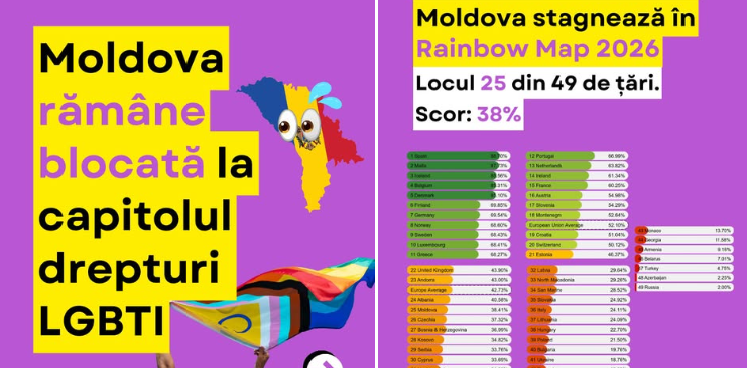
The Republic of Moldova stagnates in the ILGA-Europe Rainbow Map 2026 ranking: 25th place out of 49 countries, with the same score of 38%.
14.05.2026
Human Rights
The Republic of Moldova stagnates in the ILGA-Europe Rainbow Map 2026 ranking: 25th place out of 49 countries, with the same score of 38%.
 24.04.2026
Human Rights
Man convicted of domestic violence against transgender minor. Court upholds gender identity-based prejudice
24.04.2026
Human Rights
Man convicted of domestic violence against transgender minor. Court upholds gender identity-based prejudice